The practitioner's many names
Roles of Magick
Magick has never had only one kind of practitioner. A craft this wide has named its workers many times over, for the ground they work, the tools they read, the spirits they keep, and the people they serve. This is a growing reference of those roles. Some overlap, many can be held at once, and a few belong to living cultures that ask to be approached with care.
Witches & Their Paths
The many witchcrafts, named for the ground a witch works: the hearth, the garden, the hedge, the sea, the cosmos.
 Open practice
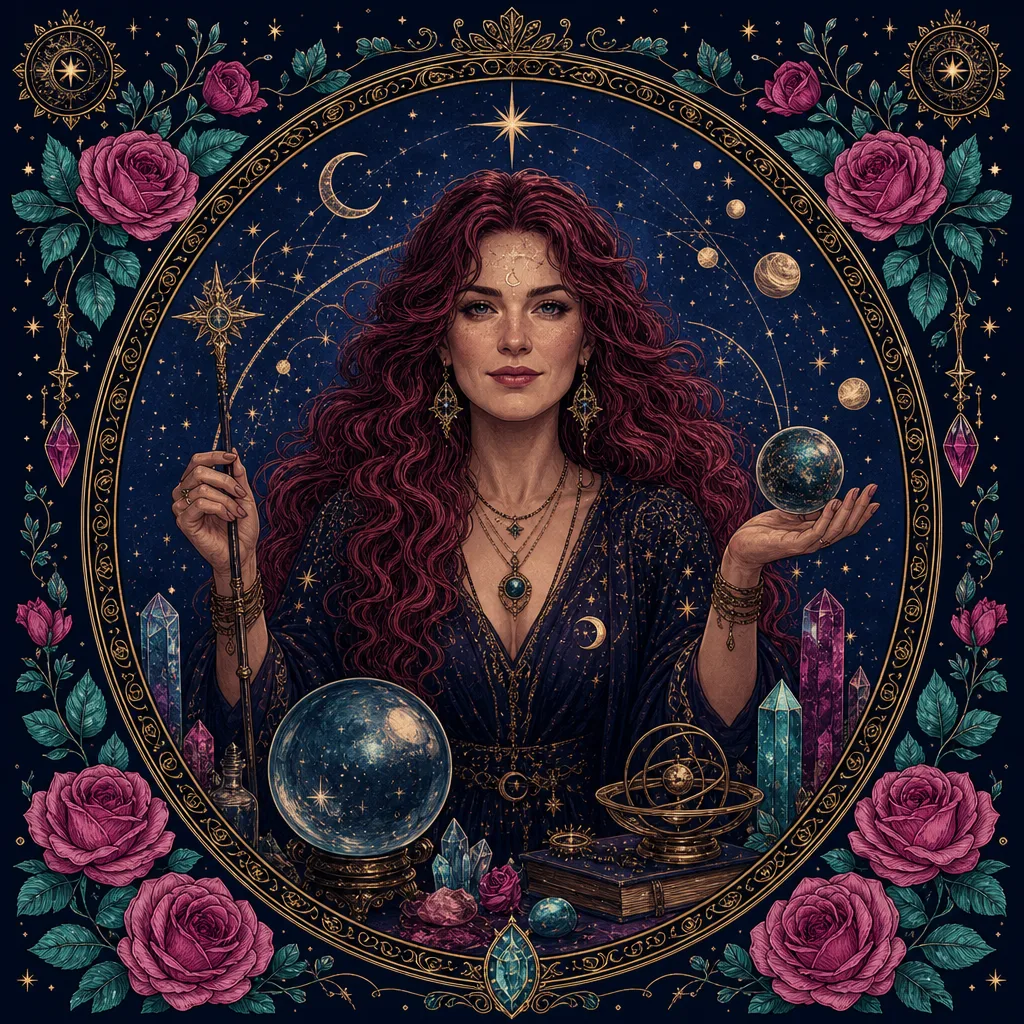
 Cosmic Witch
also: Astro Witch, Celestial Witch
A cosmic witch is a practitioner who centres their magic on astrology, planetary energies, and the broader cosmos, using celestial timing, planetary correspondences, and stellar lore to shape every aspect of their practice.
 Open practice
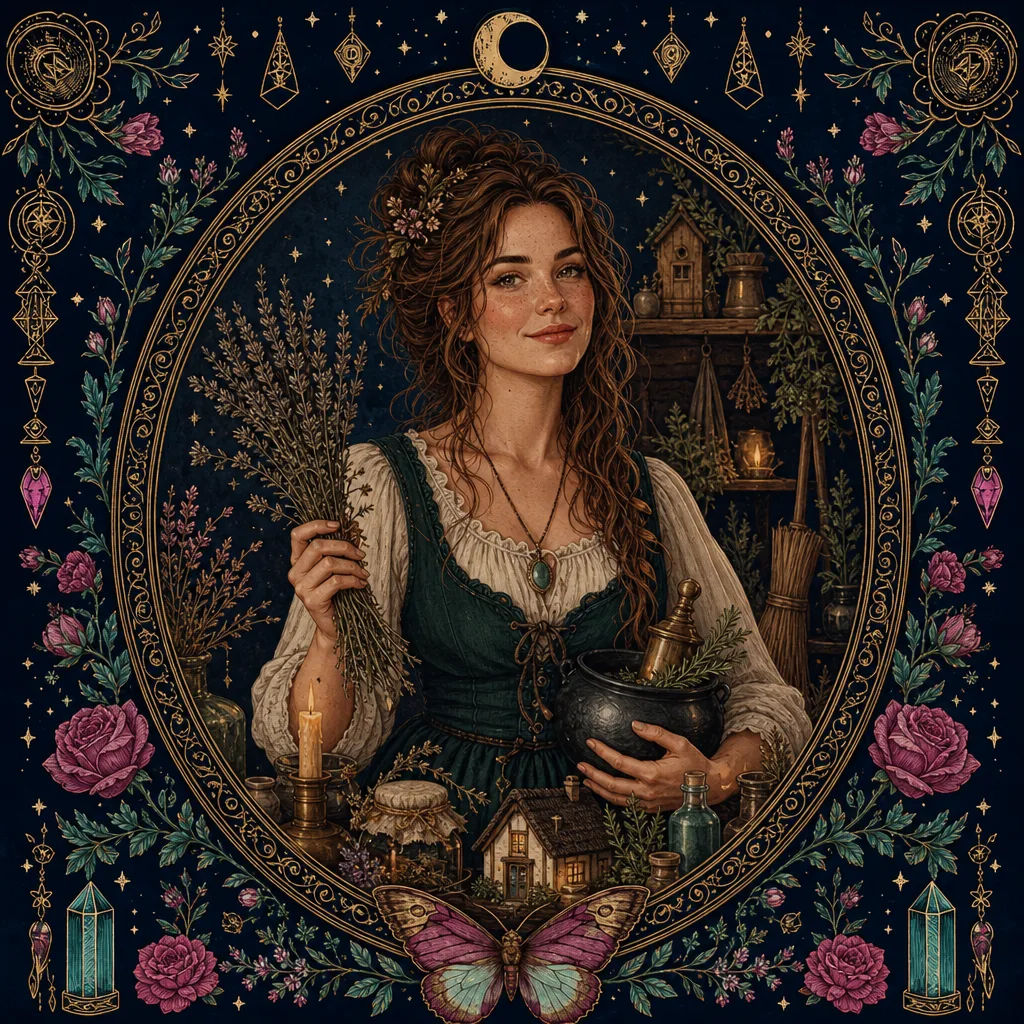
 Cottage Witch
also: Hearth Witch, Domestic Witch
A cottage witch is a practitioner who treats the home as a sacred and magical space, weaving spellcraft into daily domestic life through tending, making, and blessing the household.
 Open practice
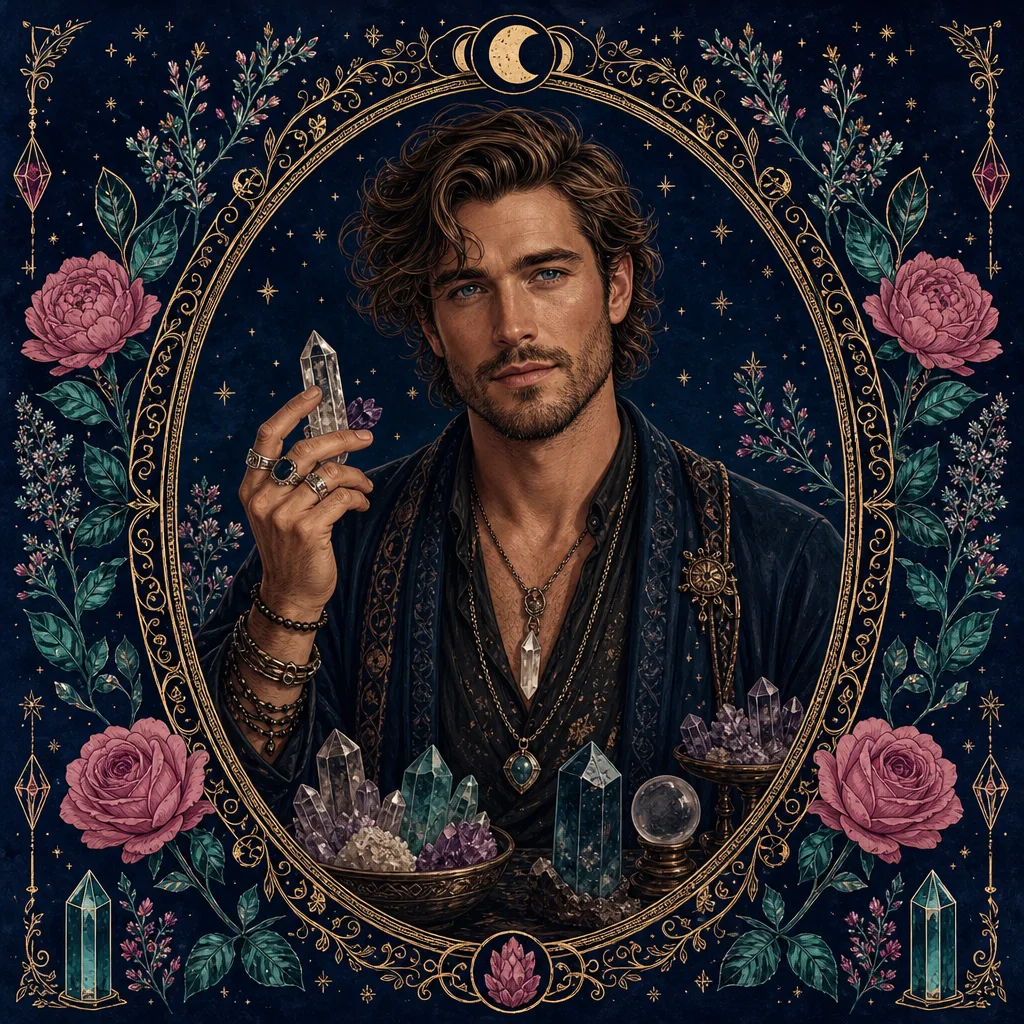
 Crystal Witch
also: Stone Witch, Crystal Worker
A crystal witch is a practitioner who works primarily with crystals, stones, and minerals as tools of healing, energy work, and magical focus, building a practice organised around the properties and relationships of these earth materials.
 Open practice
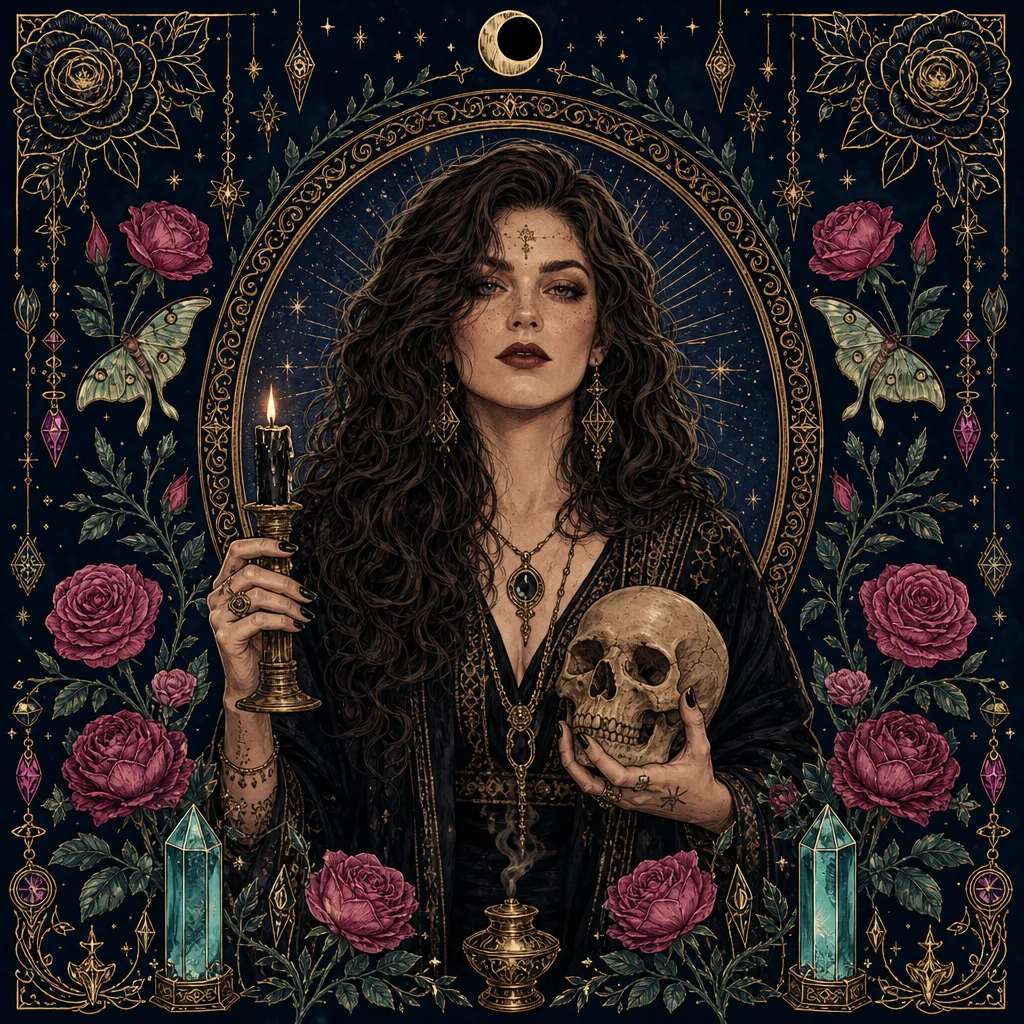
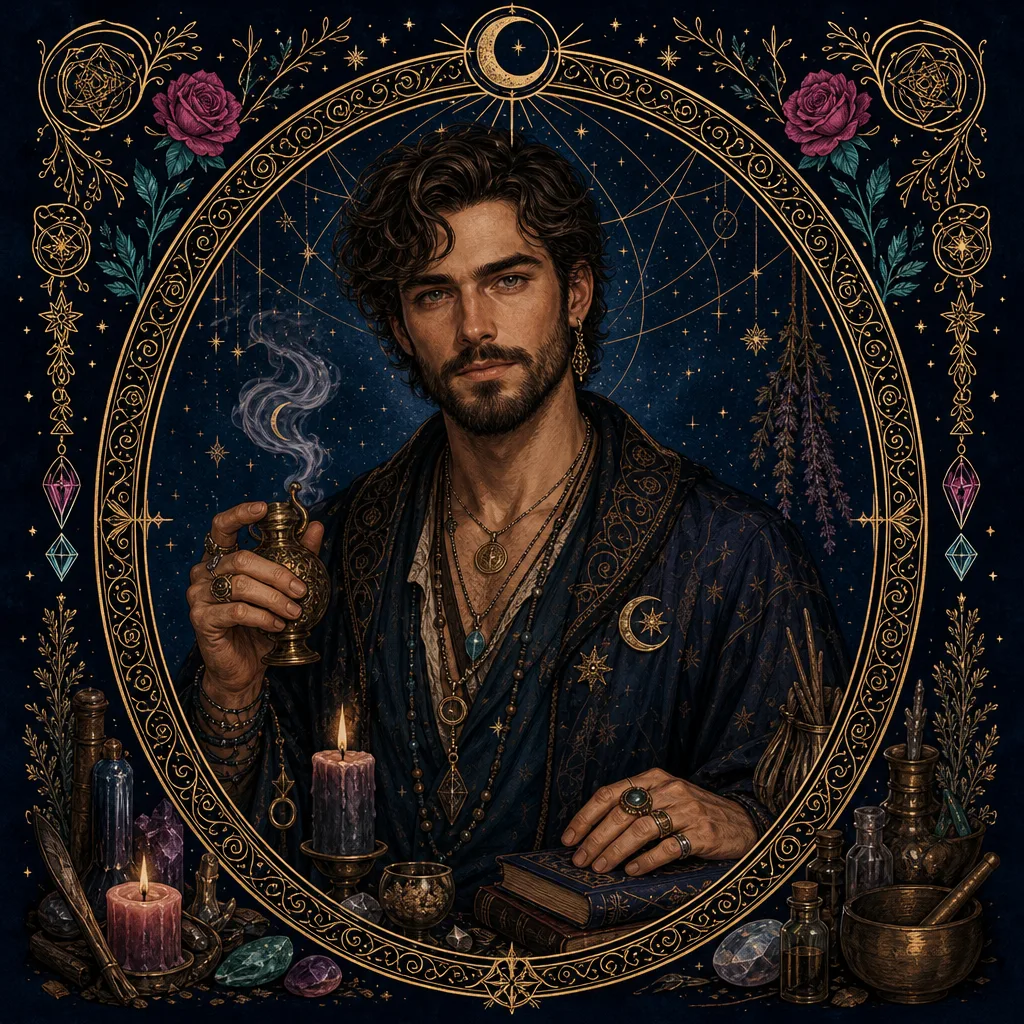
 Death Witch
also: Necromantic Witch, Witch of the Dead
A death witch is a practitioner who centres their work on death, dying, the dead, and the liminal space between life and what follows, working as a psychopomp, necromancer, ancestor worker, and keeper of the death mysteries.
 Open practice
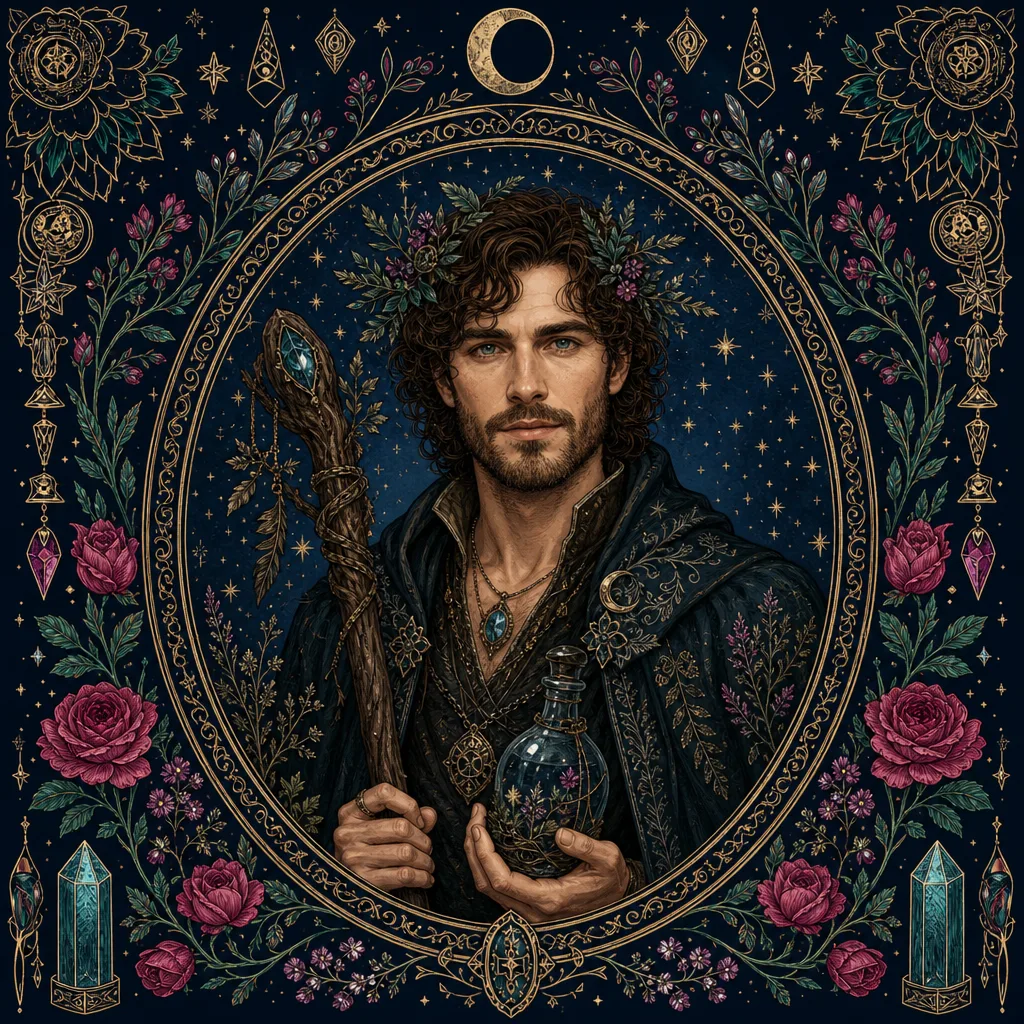
 Eclectic Witch
also: Eclectic Practitioner, Syncretic Witch
An eclectic witch is a practitioner who draws methods, correspondences, and frameworks from multiple magical traditions rather than adhering to a single system, building a practice shaped by personal study, experience, and intuition.
 Open practice
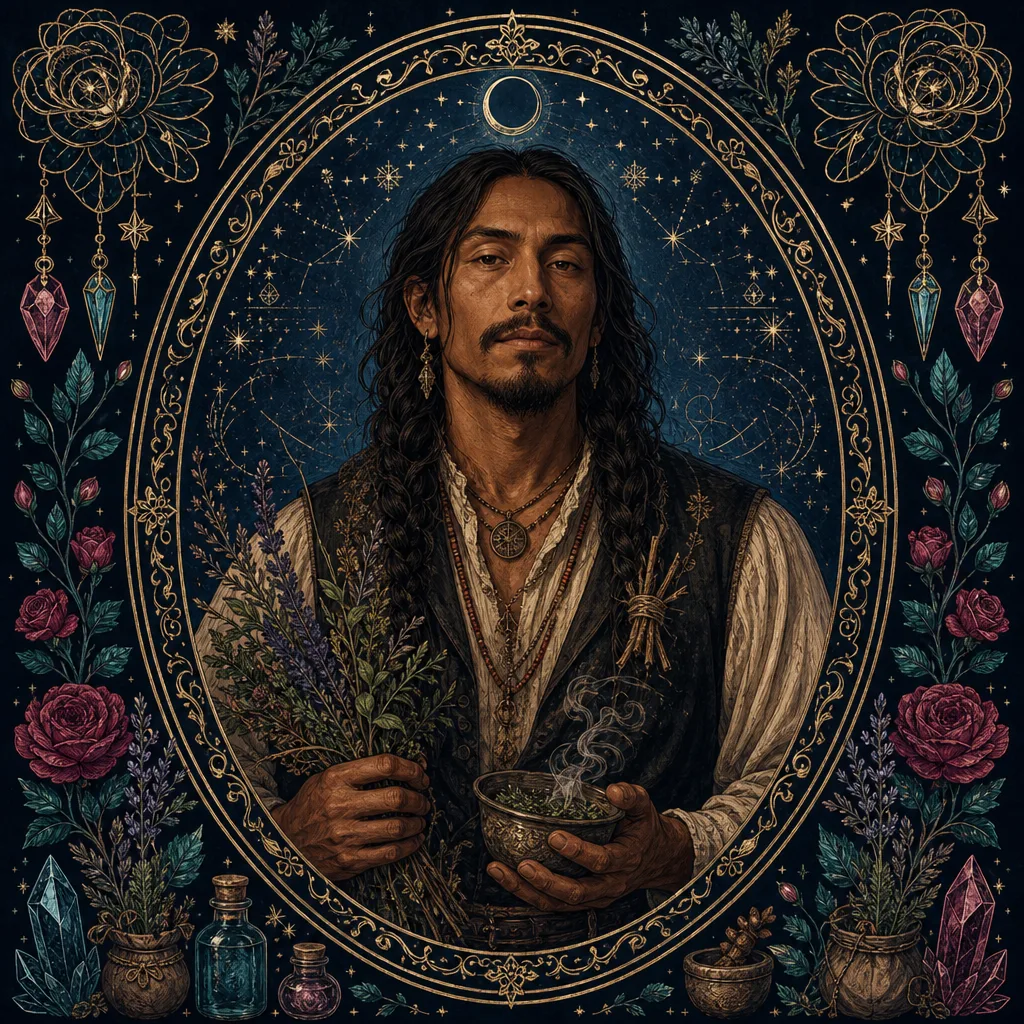
 Faery Witch
also: Fairy Witch, Fae Witch
A faery witch is a practitioner who works in deliberate relationship with the faery realm and its inhabitants, drawing on British and Celtic fairy tradition to inform their magic and their relationship with the spirit world.
 Open practice
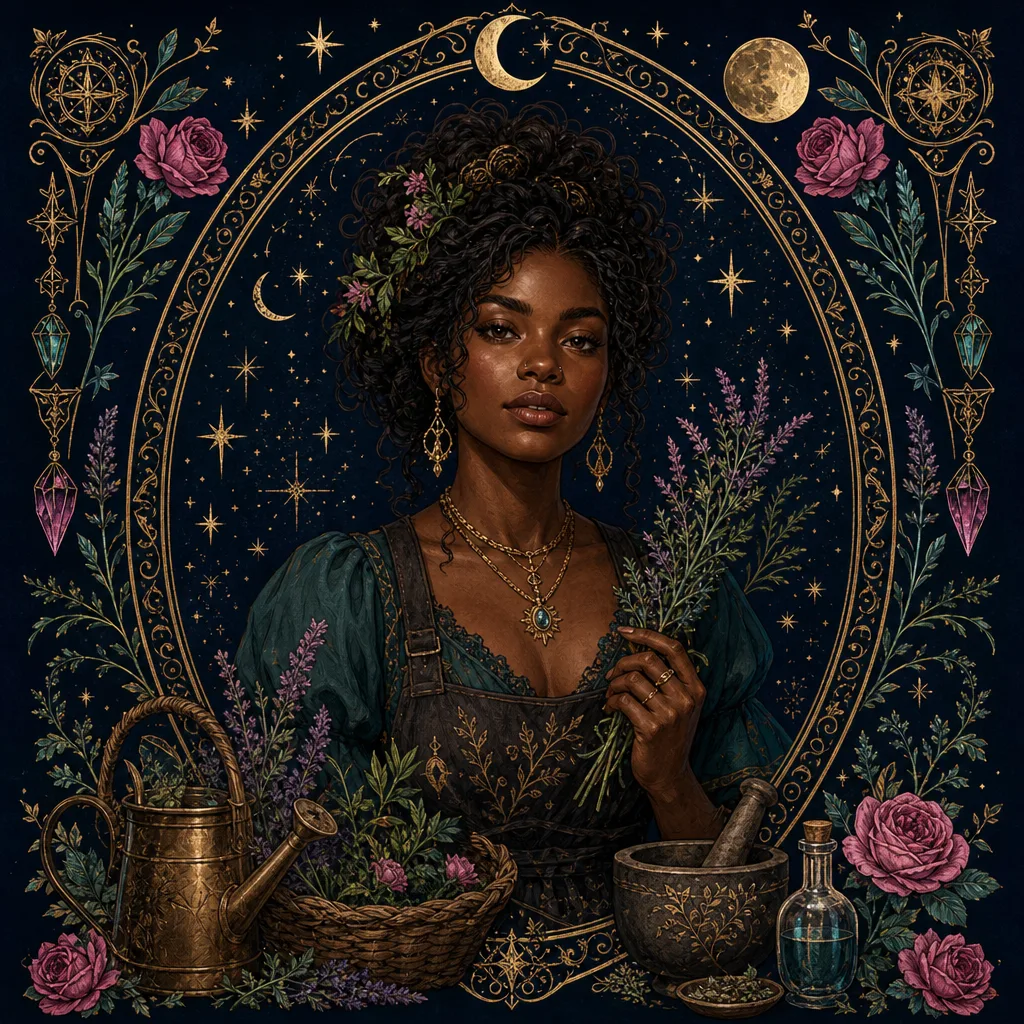
 Folk Witch
also: Folk Magic Practitioner, Wise Woman
A folk witch is a practitioner who works within the practical magic traditions of ordinary people, drawing on the accumulated herbal, charm, protective, and healing lore that communities have passed down outside of formal religious or learned magical systems.
 Open practice
 Garden Witch
also: Cottage Gardener Witch, Flower Witch
A garden witch is a practitioner who works magic through the cultivation of plants, treating the garden as a sacred space where planting, tending, and harvesting are all acts of deliberate magical intention.
 Open practice
 Green Witch
also: Plant Witch, Wort Cunner
A green witch is a practitioner whose magic centres on plants, the living landscape, and the intelligence of the natural world, working with herbs, trees, and earth energies.
 Open practice
 Hearth Witch
also: Hearth Keeper, Home Witch
A hearth witch is a practitioner who centres their practice on the hearth as a sacred and magical space, tending the fire as a spiritual act and weaving magic through the maintenance, blessing, and honouring of the home's central warmth.
 Open practice
 Hedge Witch
also: Hedgewitch, Hedge Rider
A hedge witch is a solitary practitioner who works at the boundary between the ordinary world and the spirit realm, drawing on plant knowledge, trance, and folk magic.
 Open practice
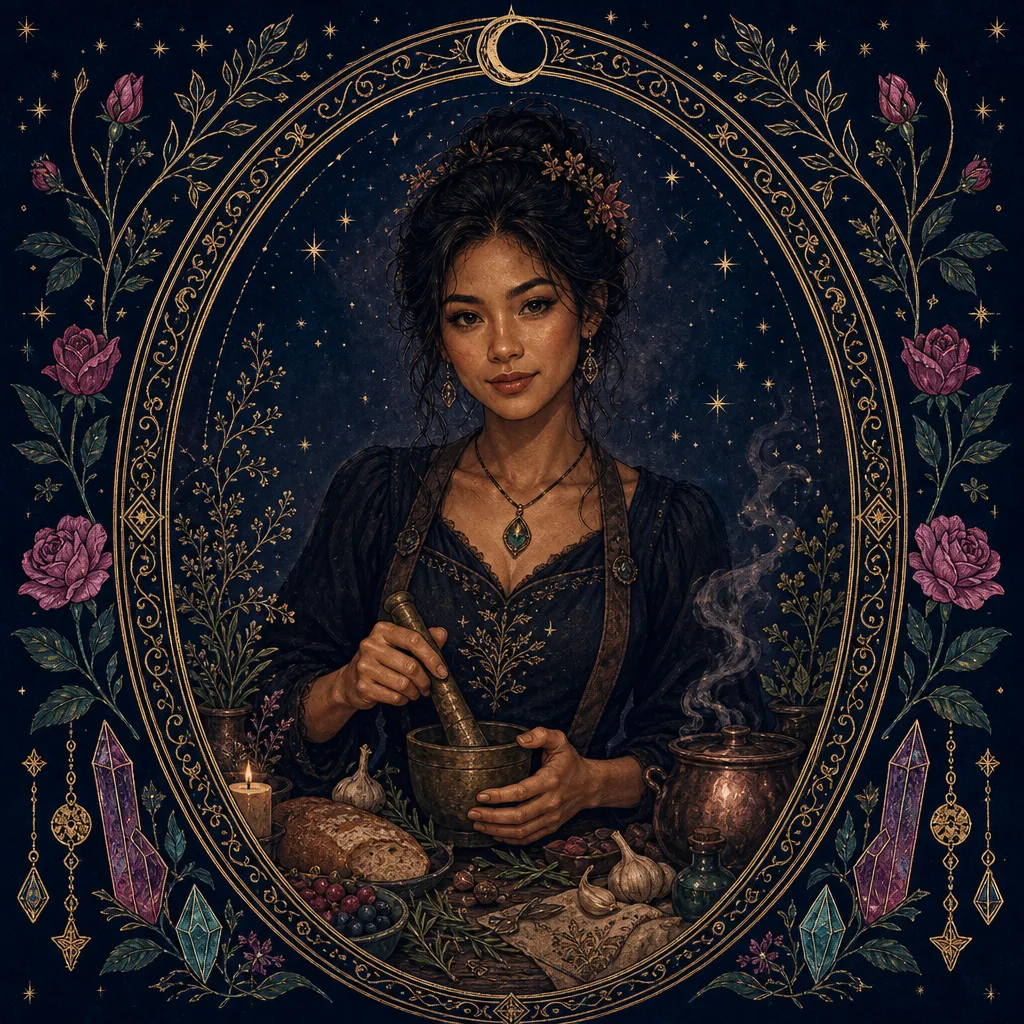
 Hereditary Witch
also: Traditional Family Witch, Family Witch
A hereditary witch is a practitioner who has received magical knowledge, practices, and sometimes spiritual callings through direct family lineage across one or more generations.
 Open practice
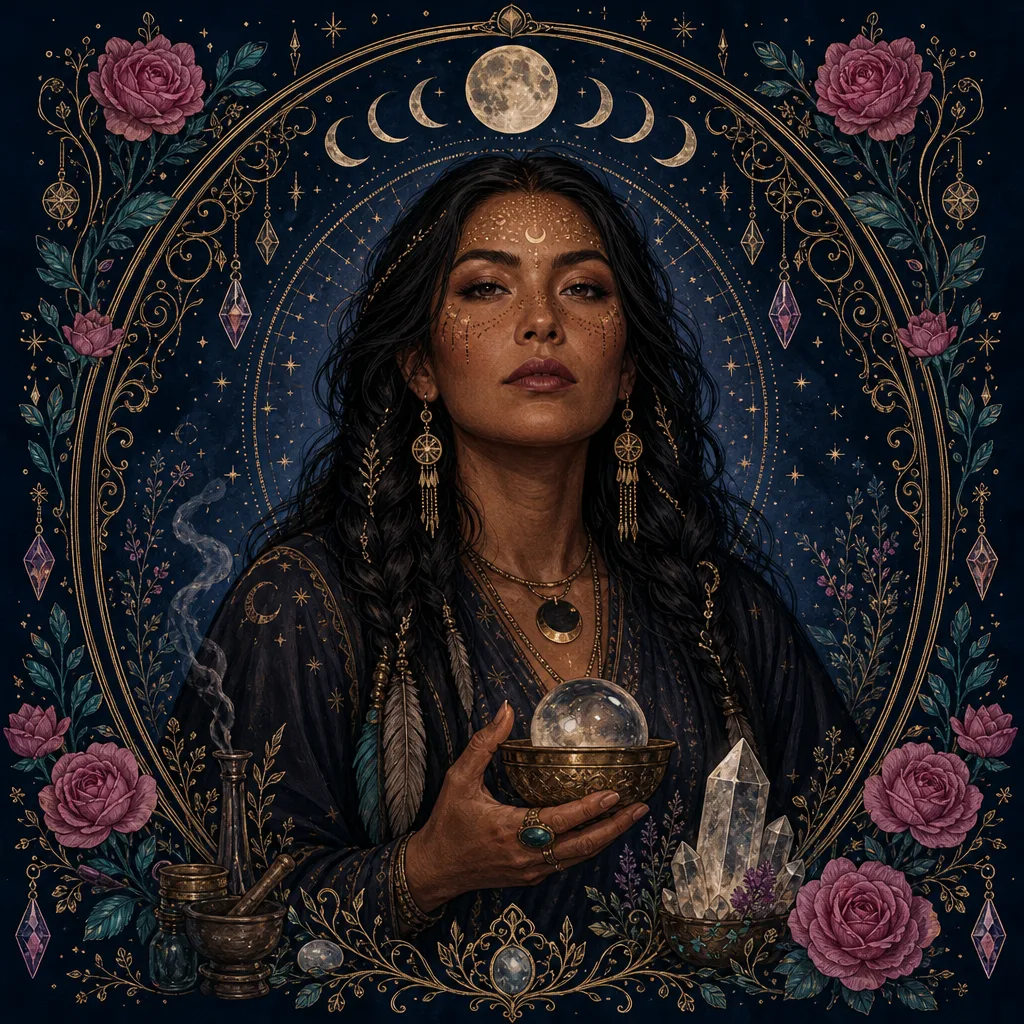
 Kitchen Witch
also: Hearth Witch, Cottage Witch
A kitchen witch is a practitioner who works magic through cooking, baking, and the daily rhythms of the home, treating the kitchen as both temple and laboratory.
 Open practice
 Lunar Witch
also: Moon Witch, Moon Priestess
A lunar witch is a practitioner who centres their magic on the cycles of the moon, timing rituals and spellwork to lunar phases and working with the moon as a primary source of magical energy and spiritual guidance.
 Open practice
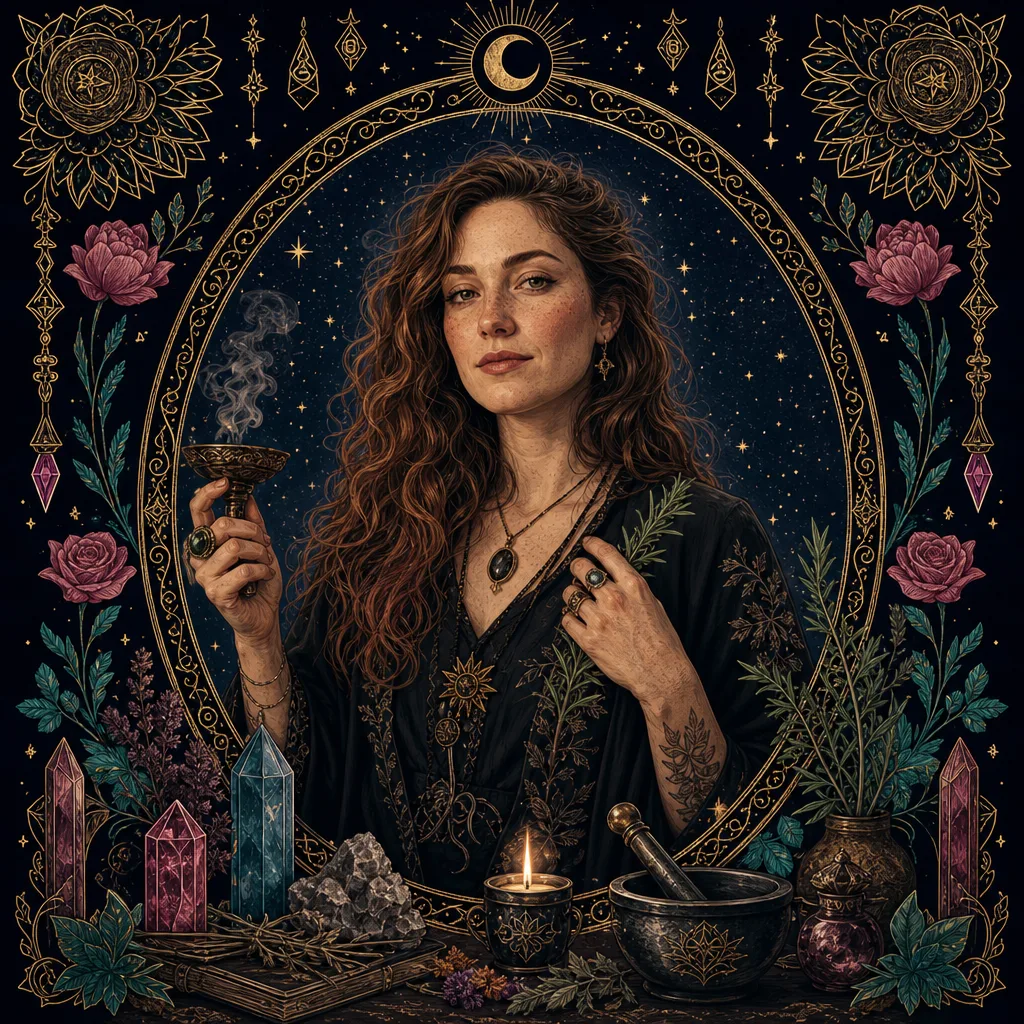
 Sea Witch
also: Water Witch, Saltwater Witch
A sea witch is a practitioner who draws magic from the ocean, tides, salt, and the liminal boundary between land and water, working with the rhythms and power of the sea.
 Open practice
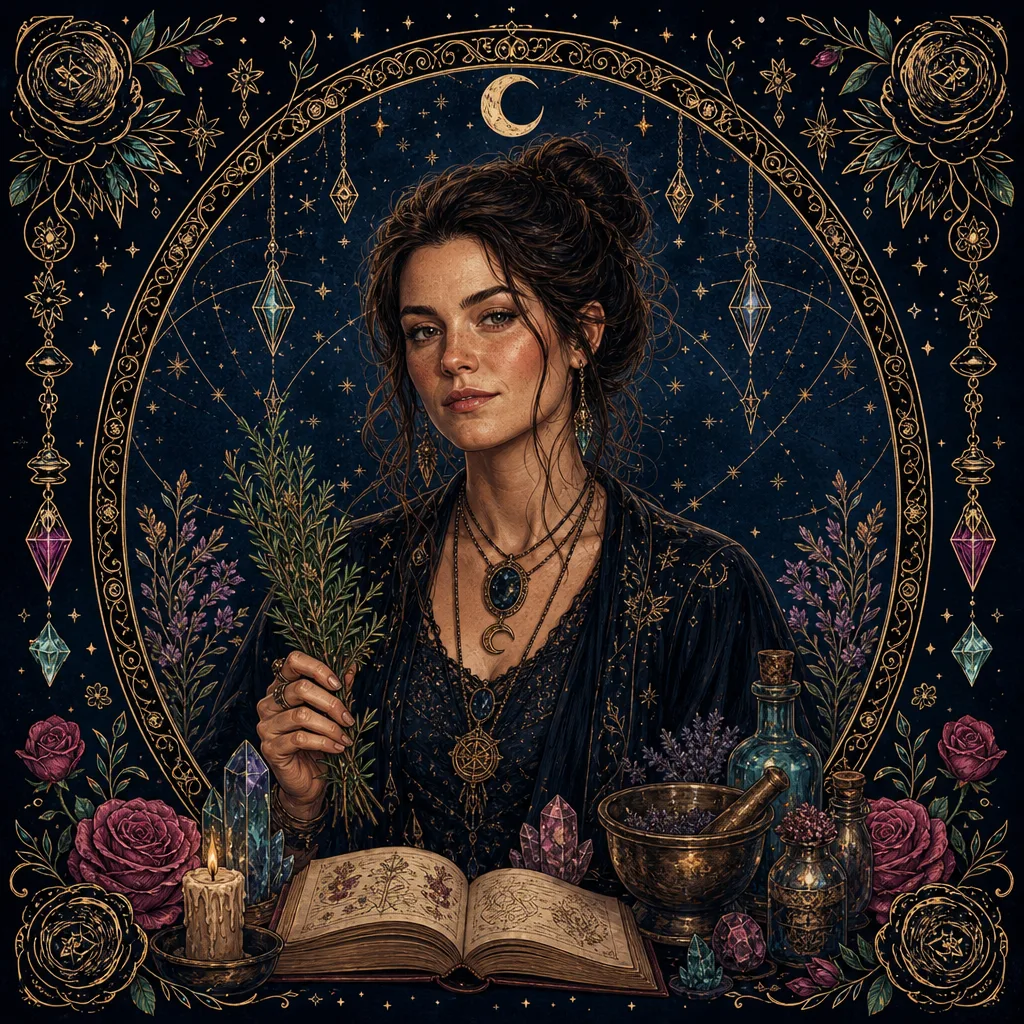
 Secular Witch
also: Atheist Witch, Non-Theistic Witch
A secular witch is a practitioner who works with magical methods and witchcraft traditions without a theistic or supernatural belief framework, treating magic as a psychological, symbolic, or practical technology rather than as a spiritual or religious practice.
 Open practice
 Solitary Witch
also: Solitaire, Hedgewitch
A solitary witch is a practitioner who works alone rather than in a coven or organised group, developing and maintaining their practice through personal study, direct experience, and independent ritual.
 Open practice
 Storm Witch
also: Weather Witch, Tempest Witch
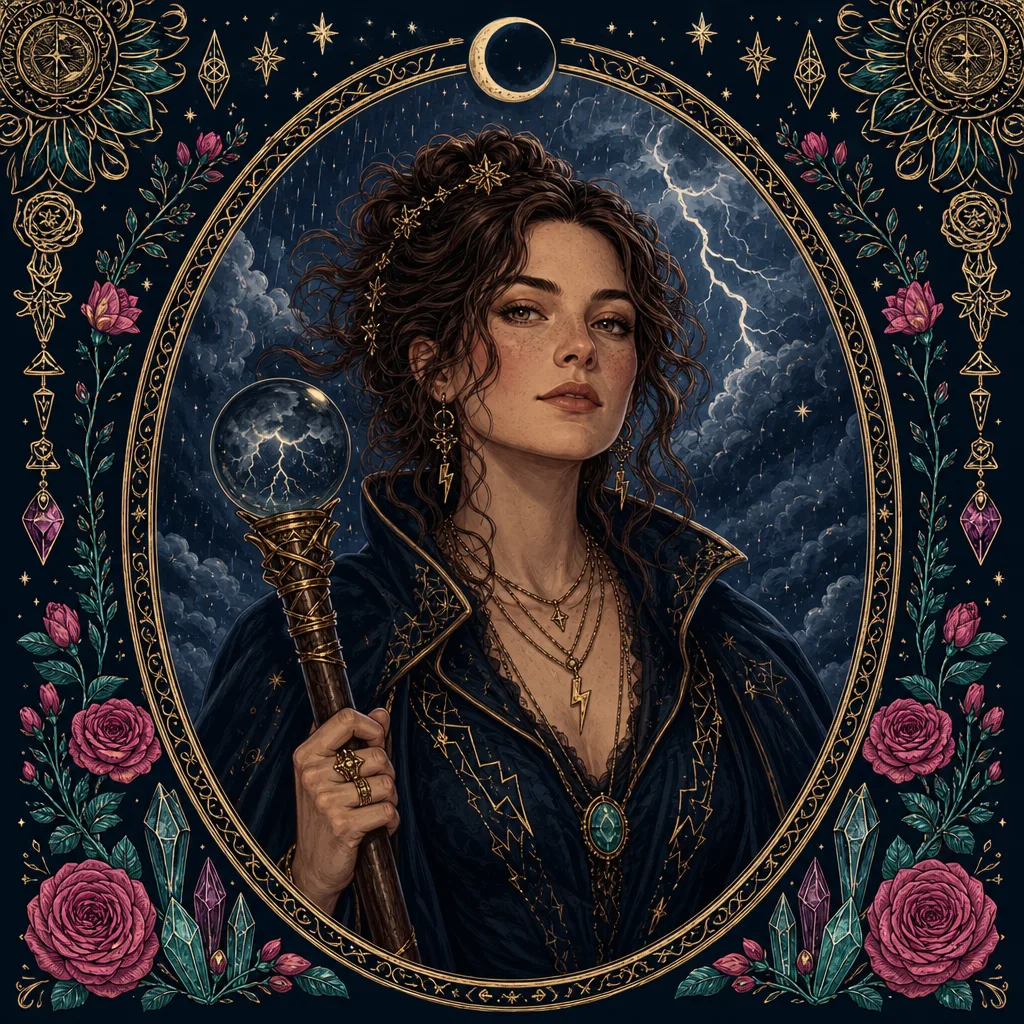
A storm witch is a practitioner who works with the energy of storms, weather, and atmospheric forces, drawing power from thunder, lightning, wind, and rain and sometimes practicing weather working in the old tradition of the weather witch.
 Open practice
 Swamp Witch
also: Bayou Witch, Marsh Witch
A swamp witch is a practitioner who draws magical power from wetland landscapes, working with the liminal, murky, and generative qualities of marshes, swamps, and bayous as their primary sacred environment.
 Open practice
 Traditional Witch
also: Trad Witch, Traditional Crafter
A traditional witch is a practitioner who works within historical folk magic and pre-Wiccan witchcraft traditions, prioritising documented historical sources, cunning craft, and the lore of the Old Ways over modern neopagan frameworks.
Diviners & Seers
Those whose craft is sight and reading: the tarot reader, the astrologer, the scryer, the medium, the oracle.
 Open practice
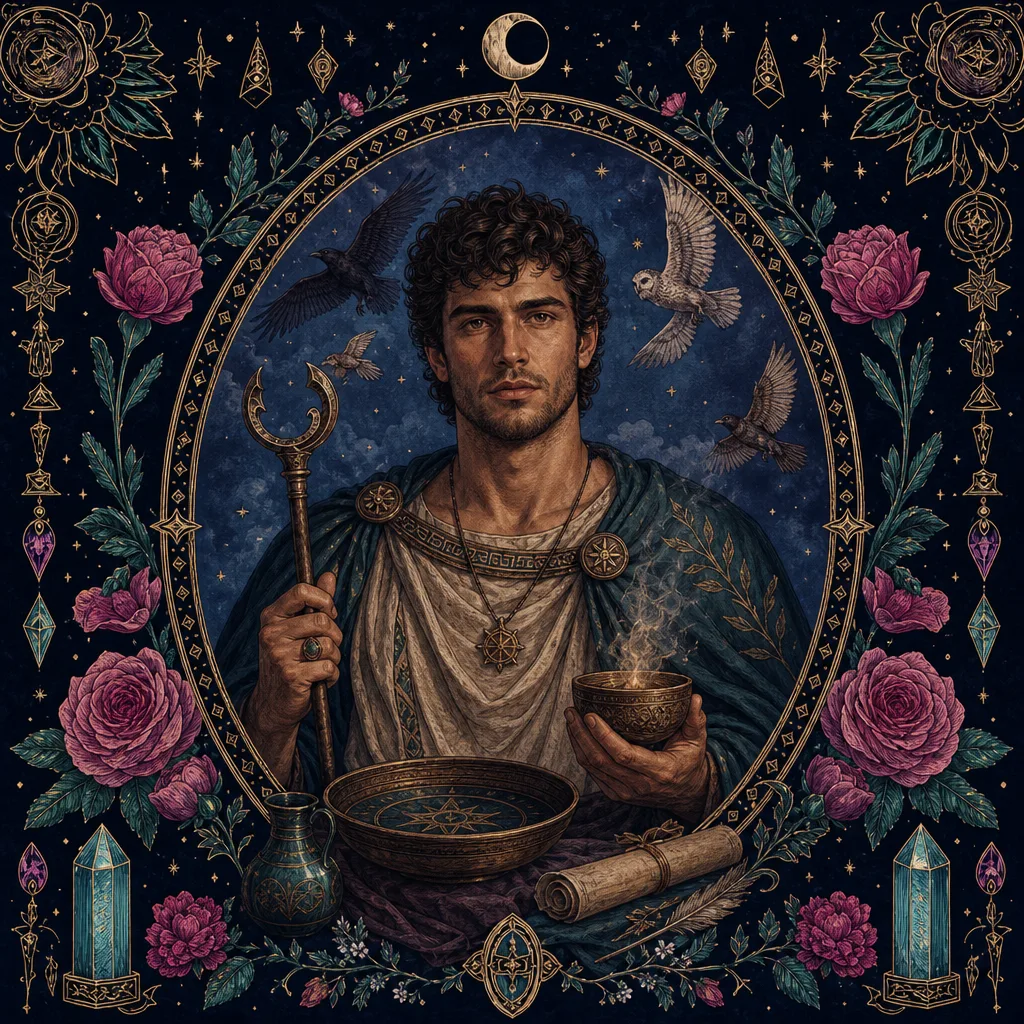
 Astrologer
also: stargazer, horoscopist
An astrologer reads the positions of planets, luminaries, and other celestial points relative to Earth to interpret cycles, character, and timing. They translate the sky's symbolic language into practical guidance for individuals, groups, and events.
 Open practice
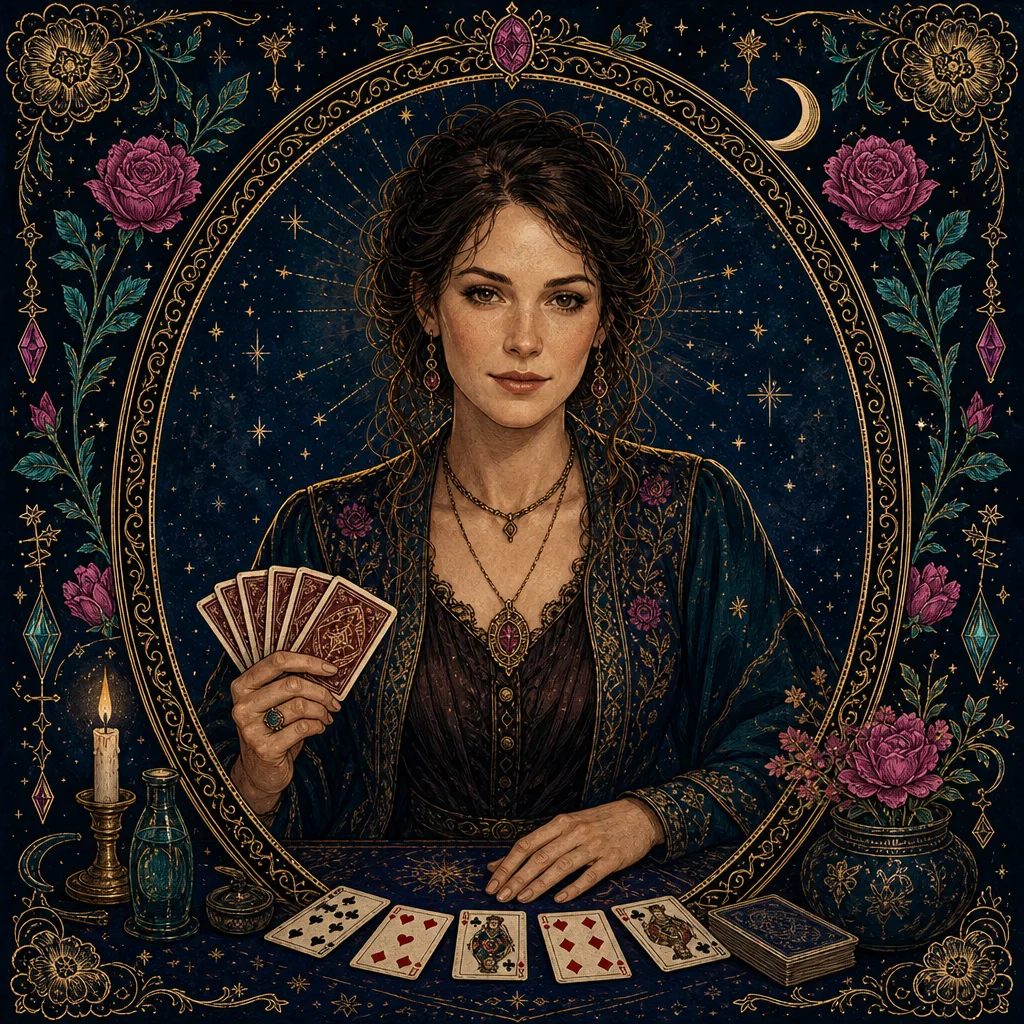
 Augur
also: bird-reader, auspex
An augur is a diviner who reads omens, most traditionally in the flight, cries, and behaviour of birds, as indicators of divine will and the auspiciousness of proposed actions. In ancient Rome the college of augurs held official authority over whether state actions could proceed, and the broader tradition of omen-reading extends across many world cultures.
 Open practice
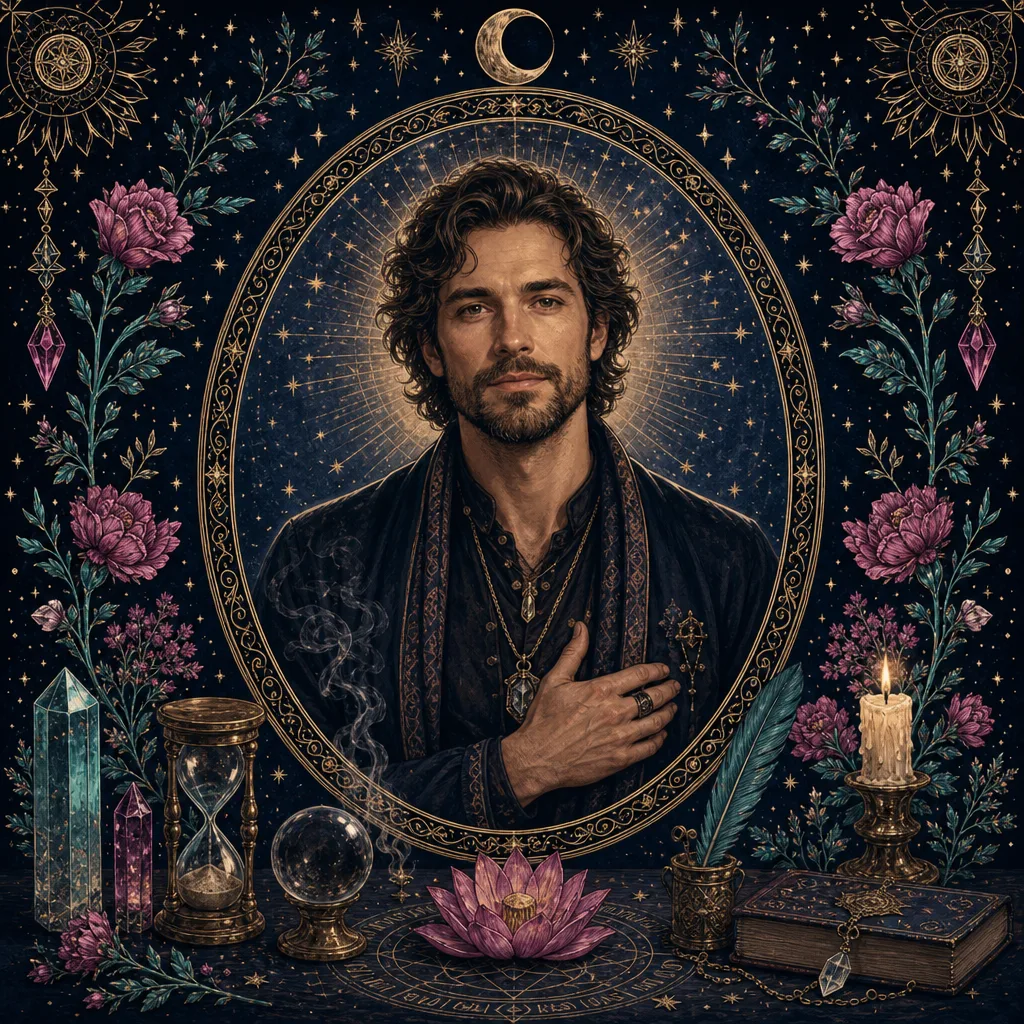
 Cartomancer
also: card reader, playing card reader
A cartomancer is a diviner who reads playing cards for guidance and insight, using a standard deck of 52 cards as a divinatory system with its own interpretive tradition. The practice predates tarot reading in Western culture and continues as a vital, independent divinatory art.
 Open practice
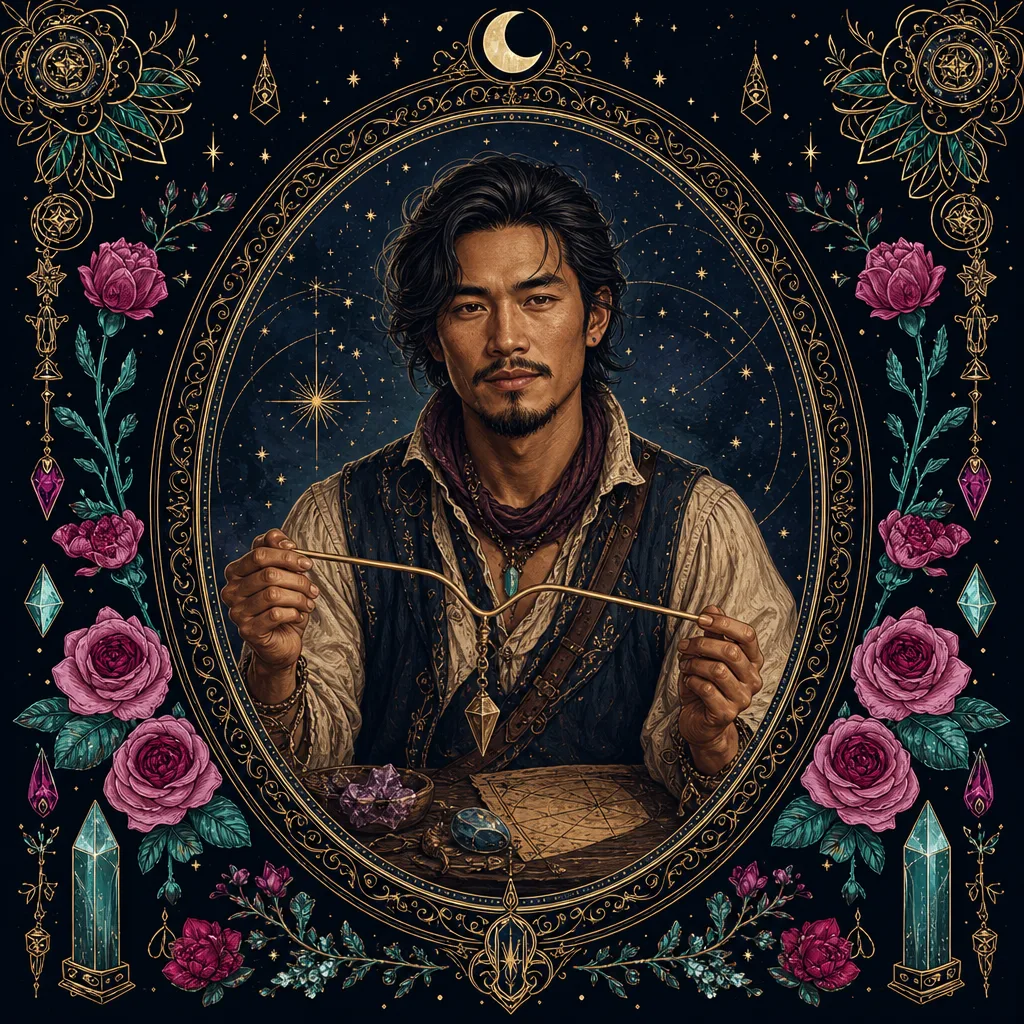
 Channeler
also: channel, trance channel, conscious channel
A channeler is a practitioner who serves as a conduit for communication from non-physical intelligences, which may include spirit guides, higher-dimensional beings, ascended masters, or the collective consciousness, receiving and transmitting their guidance in spoken or written form. The practice may involve deep trance states or maintain full conscious awareness depending on the channeler's method.
 Open practice
 Dowser
also: water witch, diviner, rhabdomancer
A dowser is a practitioner who uses a hand-held instrument, most traditionally a forked rod, Y-rod, L-rods, or pendulum, to locate water, minerals, lost objects, or other hidden targets through a combination of perceptual sensitivity and subtle physical response. Dowsing is one of the oldest and most widespread divinatory practices in human history.
 Open practice
 Geomancer
also: earth diviner, sand reader
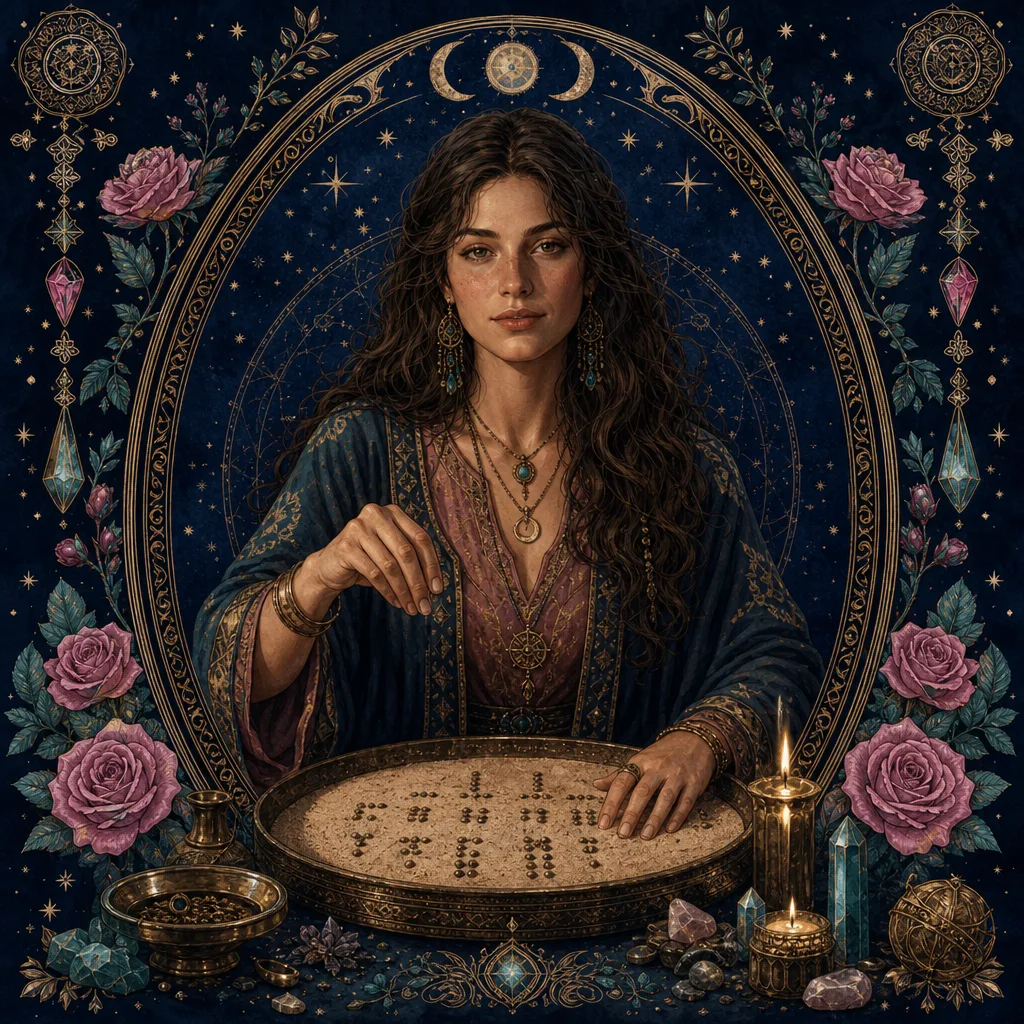
A geomancer is a diviner who generates random figures from earth, sand, dots, or other materials and interprets the resulting sixteen possible patterns as a complex divinatory language. Geomancy is one of the most systematic and sophisticated divinatory arts in the Western tradition, with a structure analogous to but distinct from astrology and tarot.
 Open practice
 Medium
also: spirit communicator, sensitive
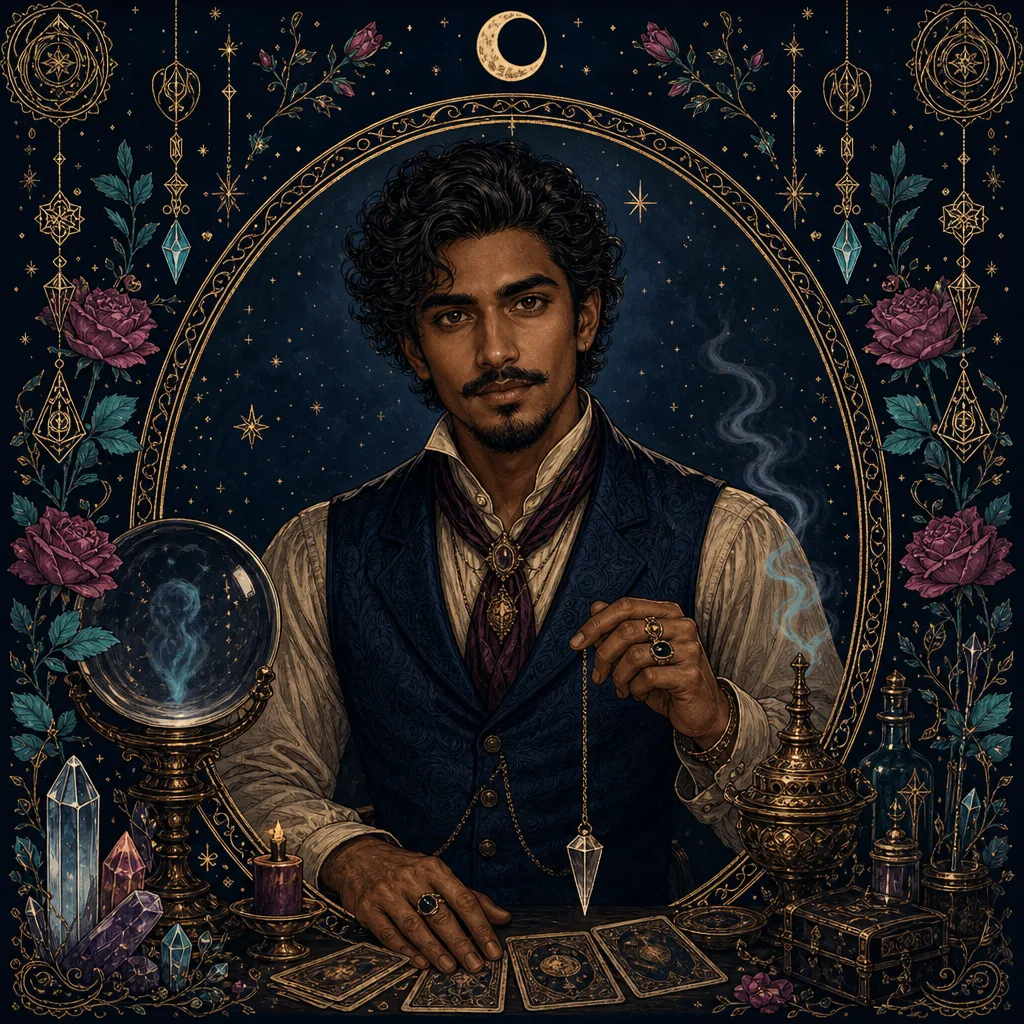
A medium is a practitioner who perceives and communicates with spirits of the dead, or other non-physical beings, and relays that communication to the living. The role involves specific perceptual abilities, developed through training and practice, that allow the medium to receive impressions, messages, or direct communication from discarnate intelligences.
 Open practice
 Numerologist
also: numeromancer
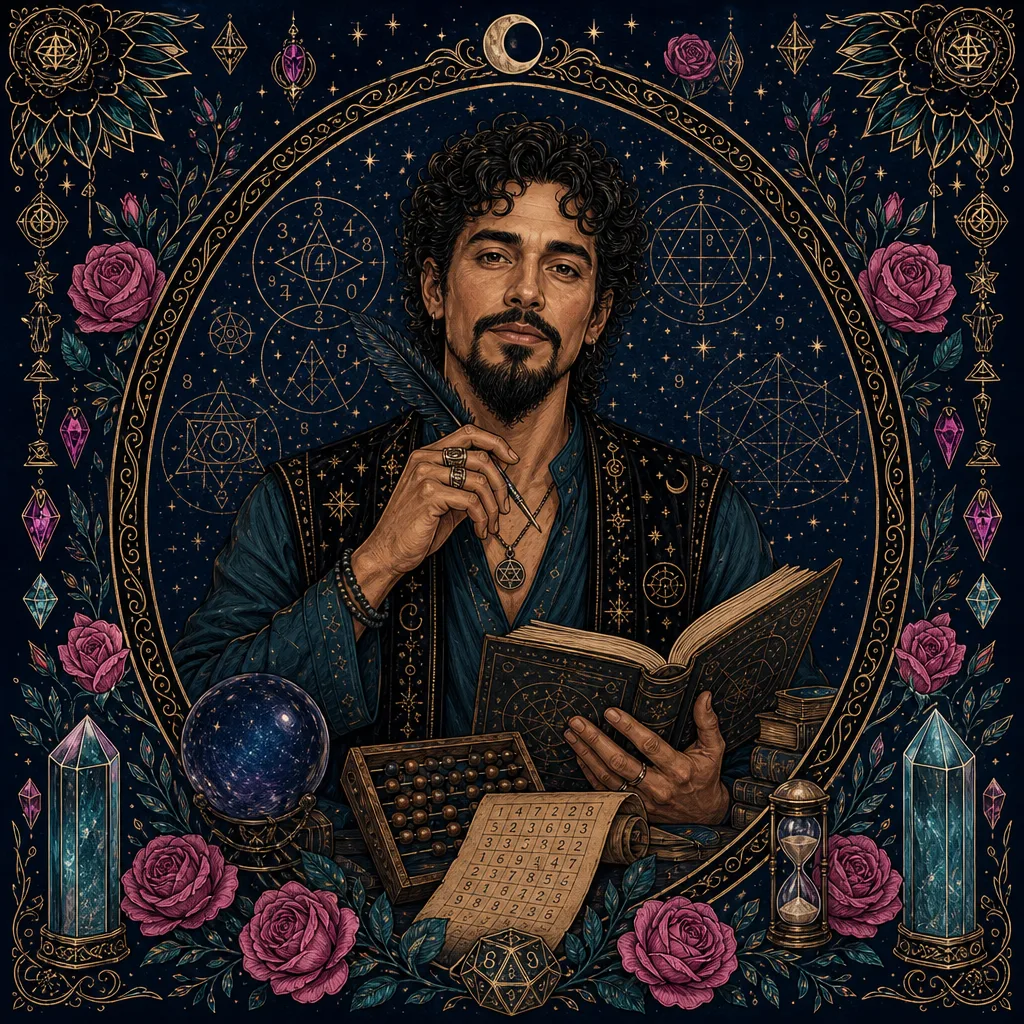
A numerologist is a diviner who studies the symbolic meanings of numbers as they arise from names, birth dates, and other significant figures to reveal character, cycles, and potential in a person's life. The practice holds that numbers are not merely quantities but carriers of qualitative significance that can be read like a language.
 Open practice
 Oracle
also: prophetess, divine mouthpiece
An oracle is a person who receives and speaks divine or prophetic guidance, often in an inspired or altered state, serving as a conduit between a transcendent source and those who seek its wisdom. The term also describes the guidance itself and the sacred site from which it is delivered.
 Open practice
 Palmist
also: palm reader, chiromancer, chirologist
A palmist is a diviner who reads the lines, mounts, shape, and texture of the human hand as indicators of character, potential, and life patterns. The practice, known formally as chiromancy or palmistry, holds that the hand is a living map of the self, recording both inherited tendencies and the choices and experiences that have shaped a life.
 Open practice
 Runecaster
also: rune reader, vitki, runester
A runecaster is a practitioner who works with the runes, the ancient Germanic alphabet whose characters carry symbolic and spiritual significance, for divination, magic, and wisdom. Drawing or casting runes, the runecaster reads each character as a force or principle whose presence in a reading illuminates a situation and the energies moving through it.
 Open practice
 Scryer
also: crystal gazer, speculist
A scryer is a diviner who gazes into a reflective or translucent surface, such as a mirror, crystal ball, bowl of water, or flame, and interprets what they perceive there as guidance or vision. The practice cultivates a particular quality of focused, receptive attention that allows symbolic or clairvoyant imagery to arise.
 Open practice
 Seer
also: clairvoyant, visionary, second-sighter
A seer is a person with the natural or cultivated ability to perceive events, truths, or realities beyond the reach of ordinary sense, including visions of the past, present, and future. The role is one of the oldest in human spiritual life and appears across nearly every world culture.
 Open practice
 Spiritualist
also: spirit communicant, Spiritualist practitioner
A Spiritualist is a practitioner and often adherent of Spiritualism, the religious movement founded on the conviction that the dead survive physical death and can communicate with the living. Spiritualism combines religious devotion, ethical philosophy, and practical mediumship into a structured tradition with its own churches, theology, and development practices.
 Open practice
 Tarot Reader
also: cartomancer, tarotist
A tarot reader is a diviner who uses a deck of 78 illustrated cards to interpret symbolic imagery as guidance, insight, or reflection. They read the cards as a living language of archetypes and energies that speak to present circumstances and possible futures.
Ceremonial & High Magicians
Practitioners of the structured Western magickal systems, from the Hermeticist to the chaos magician.
 Open practice
 Ceremonial Magician
also: High Magician, Ceremonial Occultist
A ceremonial magician is a practitioner who works within structured, often complex ritual systems drawn from Hermetic, Kabbalistic, and Western esoteric traditions. Their practice centres on the deliberate alignment of will, symbol, and cosmos to achieve spiritual and practical ends.
 Open practice
 Chaos Magician
also: Chaos Mage, Chaoist
A chaos magician is a practitioner who treats belief as a tool rather than a fixed commitment, adopting whatever symbolic system, model, or technique produces results and setting it aside when it no longer does. Chaos magick prioritizes practical efficacy and personal experimentation over doctrinal consistency.
 Open practice
 Enochian Magician
also: Enochian Practitioner, Angelic Magician
An Enochian magician works within the angelic system received by Dr John Dee and Edward Kelley in sixteenth-century England, using a structured cosmology of angelic hierarchies, a distinct magical alphabet, and specific ritual calls to establish contact with angelic intelligences and navigate the regions of the Enochian universe.
 Open practice
 Goetic Magician
also: Goetist, Goetic Sorcerer
A goetic magician is a practitioner who works with the spirits catalogued in the Goetia, the first section of the Lemegeton or Lesser Key of Solomon, formally evoking them within a ritual framework of circles, seals, and binding constraints to obtain specific practical outcomes. The Goetia describes seventy-two named spirits with defined ranks, appearances, and abilities.
 Open practice
 Hermeticist
also: Hermetic Philosopher, Hermetic Magician
A Hermeticist is a practitioner and student of Hermetic philosophy, a body of teachings attributed to Hermes Trismegistus that holds the cosmos to be a living, intelligible whole through which the human soul can ascend to union with the divine. Hermetic practice weaves philosophy, theurgy, astrology, and alchemy into a single spiritual discipline.
 Open practice
 Magus
also: Mage, Master of the Temple
A Magus is a practitioner who has attained a high degree of mastery in one or more magical traditions, whose will and understanding have been sufficiently refined that they are recognized as a genuine initiator of others and a creator of new magical forms. The title carries both historical and initiatory meanings and is not casually self-assigned.
 Open practice
 Ritual Magician
also: Ceremonial Practitioner, High Magician
A ritual magician is a practitioner who works primarily through formal, structured ritual as the main vehicle of magical operation, using consecrated space, specific timing, prescribed actions and words, and a system of correspondences to engage with magical forces deliberately and precisely.
 Open practice
 Thaumaturge
also: Wonder-Worker, Miracle Worker
A thaumaturge is a practitioner who works magick primarily to produce tangible results in the world, whether healing, protection, divination, or other practical outcomes. The word derives from the Greek for wonder-worker and distinguishes the magician concerned with effects in the world from the theurgist whose aim is inner spiritual ascent.
 Open practice
 Thelemite
also: Thelemite Magician, Servant of the Law
A Thelemite is a practitioner of Thelema, the spiritual and magickal system founded by Aleister Crowley following the reception of The Book of the Law in 1904. Thelema holds that each person has a True Will, a unique purpose that is their correct expression in the universe, and that the aim of all magickal practice is to discover and enact that will.
 Open practice
 Theurgist
also: Divine Operator, Theurgic Magician
A theurgist is a practitioner who uses ritual action and symbolic performance to draw the soul upward toward union with the divine, working not primarily to influence the material world but to purify and elevate the self through participation in the divine activities of the gods. Theurgy holds that ritual correctly performed enacts on earth what the divine performs in the cosmos.
Folk Magick Practitioners
The village workers and rooted folk traditions: cunning folk, rootworkers, and the practitioners of regional craft.
 Culturally rooted
 Brujo / Bruja
also: bruja, brujo, hechicero, hechicera
A brujo or bruja is a Latin American folk practitioner of magic who works across a wide spectrum from healing and protection to malefic and defensive sorcery. The tradition varies considerably by country and community, drawing on indigenous, African, and Spanish Catholic sources, and remains a living part of folk religious and magical culture throughout Latin America and Latino communities worldwide.
 Culturally rooted
 Conjure Doctor
also: conjurer, two-headed doctor, conjure man, conjure woman
A conjure doctor is a practitioner of Hoodoo and Southern African American conjure tradition who works as a specialist healer, spiritual counsellor, and magical practitioner, often with particular emphasis on the diagnosis and reversal of crossed conditions, spiritual illness, and the work of enemies. The conjure doctor occupies a position of deep community authority in the African American South.
 Open practice
 Cunning Folk
also: wise man, wise woman, village witch
A cunning person is a community magickal practitioner of early modern Britain and Europe who provided charms, healing, divination, and counter-magic to ordinary people. They served as the local expert on illness, lost goods, bewitchment, and the unseen world.
 Culturally rooted
 Curandero
also: curandera, curandero/a, hierbero, yerbero
A curandero or curandera is a Latin American folk healer who treats physical, emotional, and spiritual illness through plant medicine, prayer, ritual cleansing, and spiritual diagnosis. The tradition of curanderismo is a living healing practice rooted in indigenous American, Spanish Catholic, and in some regions African-derived knowledge, held within and serving specific Latin American communities.
 Open practice
 Granny Witch
also: granny woman, yarb doctor
A granny witch is a traditional Appalachian folk healer and practitioner of folk magic who serves their mountain community as a herbalist, midwife, charm-worker, and keeper of practical magical knowledge. The role is deeply rooted in the Scots-Irish, English, German, and Cherokee-influenced culture of the southern Appalachian mountains.
 Open practice
 Hexenmeister
also: Hex master, Zauberer
A Hexenmeister is a German folk magician specialising in both the making and the breaking of hexes, serving as a community specialist in protection, counter-magic, healing, and divination. The role spans centuries of German-speaking folk practice and extends into the diaspora traditions of Pennsylvania Dutch Braucherei.
 Open practice
 Pellar
also: pellar-witch, conjurer
A pellar is a traditional Cornish cunning person who specialised in counter-magic, lifting curses, and protection against witchcraft. The role is one of the most distinctively named positions in British folk magic, tied to the landscape and community life of Cornwall.
 Open practice
 Pow-wow Doctor
also: Braucher, Braucherin, pow-wow practitioner
A Pow-wow doctor is a practitioner of Pennsylvania Dutch Braucherei, a German-American folk healing and charm tradition that combines Christian prayer, spoken verbal charms, and sympathetic magic to heal illness, protect against evil, and bless people and property. The tradition is open and has been practised in Pennsylvania and surrounding regions for over two centuries.
 Culturally rooted
 Rootworker
also: root doctor, two-headed doctor, worker
A rootworker is a practitioner of Hoodoo, the African American folk magic tradition rooted in the experience and spiritual inheritance of enslaved Africans and their descendants in the American South. Rootwork uses roots, herbs, spiritual supplies, prayer, and ritual to address love, protection, money, health, justice, and the reversal of harm.
 Open practice
 Spae-wife
also: spaewife, spae-man, spae-worker
A spae-wife is a Norse and Scots seer and diviner who reads fate, prophesies outcomes, and advises on future events through the practice of spaecraft -- the art of perceiving and speaking what the Norns have woven into the web of wyrd. The role is one of the oldest and most respected in Norse and Scottish folk tradition.
Spirit Workers
Those whose practice is built on relationship with spirits, deities, ancestors, and the dead.
 Open practice
 Ancestor Worker
also: ancestor veneration practitioner, ancestral healer
An ancestor worker is a spiritual practitioner who cultivates ongoing relationship with the spirits of their dead -- blood ancestors, chosen ancestors, and lineage spirits -- as the foundation and primary resource of their spiritual practice. Ancestor work appears across virtually all world cultures and traditions, and its contemporary form draws on many of these streams.
 Closed practice
 Babalawo
also: Ifa priest, father of secrets
A babalawo is an initiated priest of Ifa within the Yoruba religious tradition, trained in the vast corpus of Ifa divination and serving as a spiritual advisor, healer, and keeper of the sacred knowledge of Orunmila, the orisha of wisdom and divination. This is a closed, initiatory role entered through the living Ifa lineage and available only through legitimate initiation within that tradition.
 Open practice
 Demonologist
also: daemonologist, demonographer
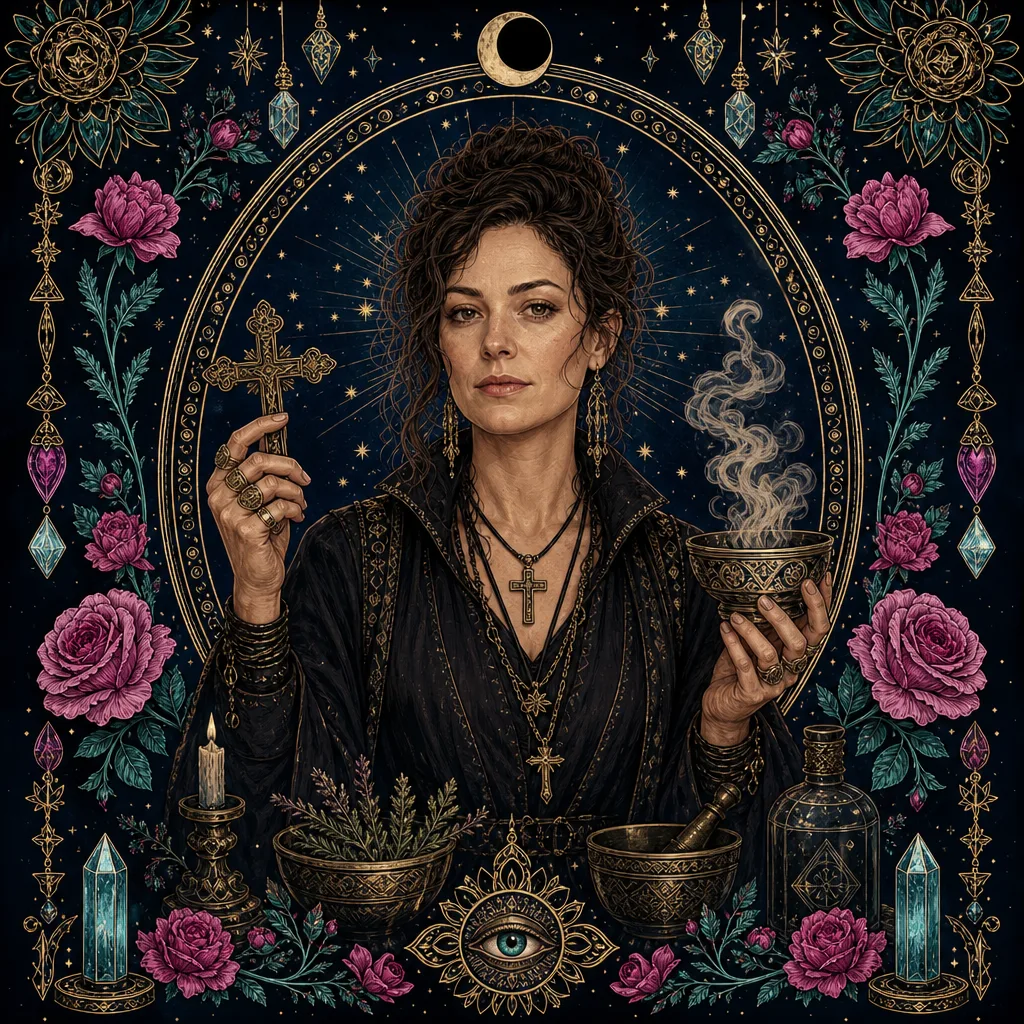
A demonologist is a practitioner who specialises in the study, classification, and in many traditions the working with or commanding of demonic or adversarial spiritual entities. The term spans the scholarly and the operational: the demonologist may be primarily an investigator and classifier, or a practitioner who directly engages these beings, or both.
 Open practice
 Exorcist
also: deliverer, banisher
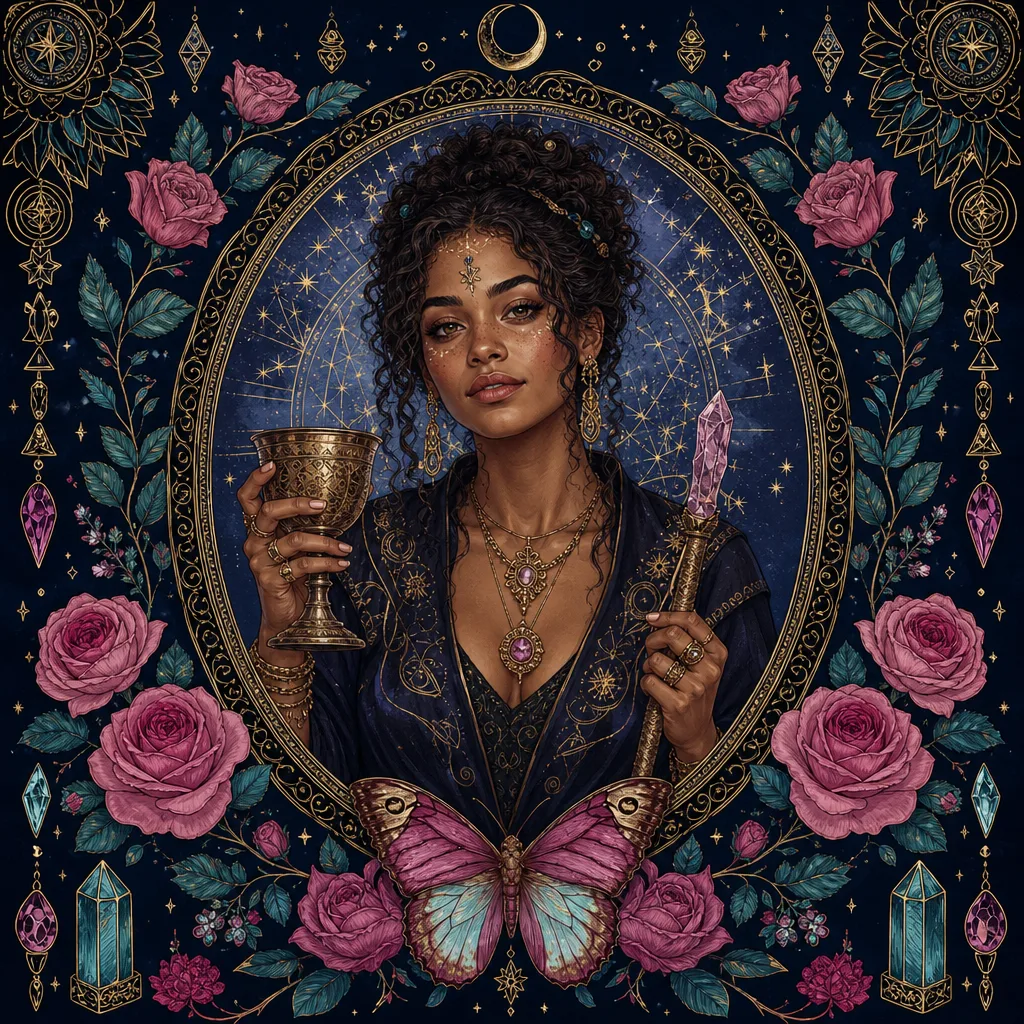
An exorcist is a spiritual practitioner who removes unwanted or harmful spirit presences from people, places, and objects through ritual, prayer, authority, and command. The role appears across world religions and magical traditions, from the Catholic rite of exorcism to folk-magic spirit-clearing practices to shamanic extraction work.
 Open practice
 Godspouse
also: god-spouse, divine consort, hierodule
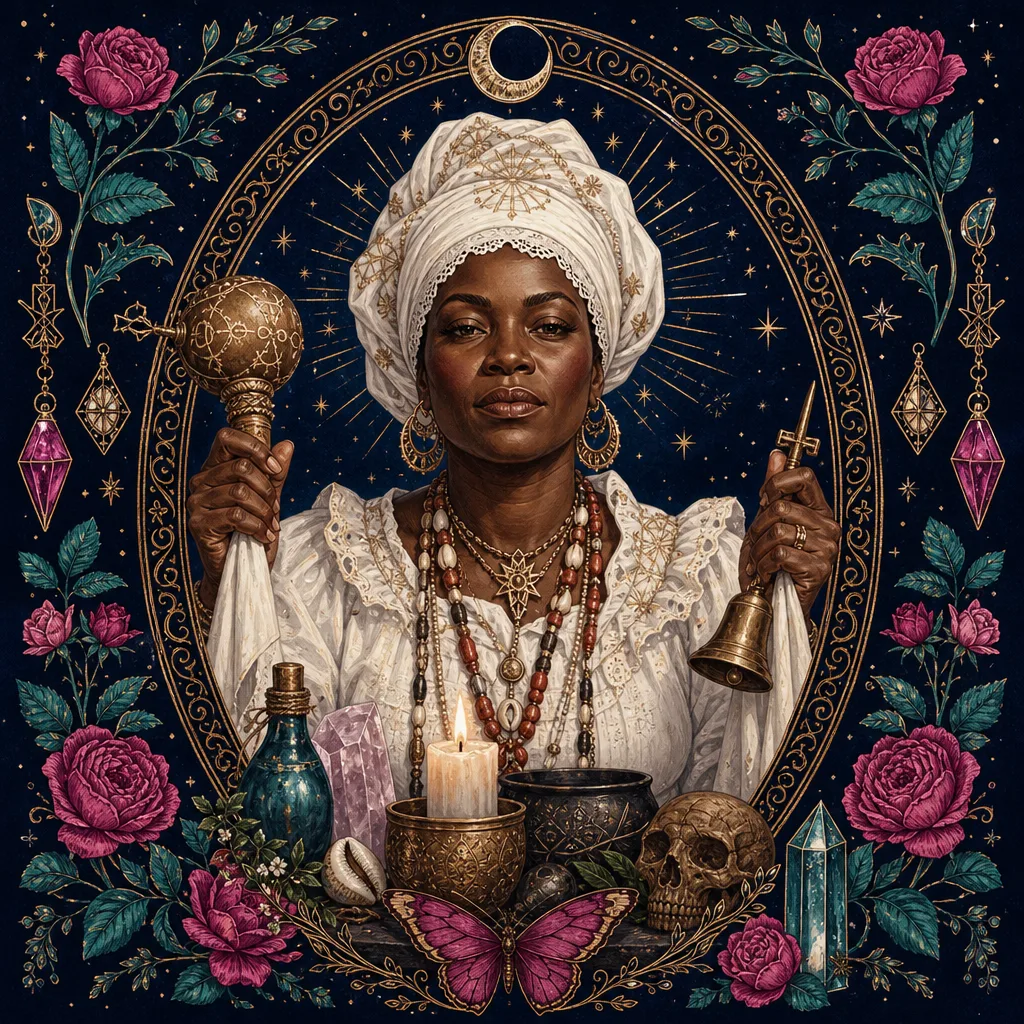
A godspouse is a spiritual practitioner who has entered into a formal devotional relationship of a spousal or deeply intimate nature with a deity, understood as a genuine bond between the human and the divine that carries specific responsibilities, commitments, and spiritual depth. The role appears in contemporary polytheism and Heathenry and has ancient cross-cultural precedents.
 Closed practice
 Houngan / Mambo
also: houngan, mambo, prèt savann
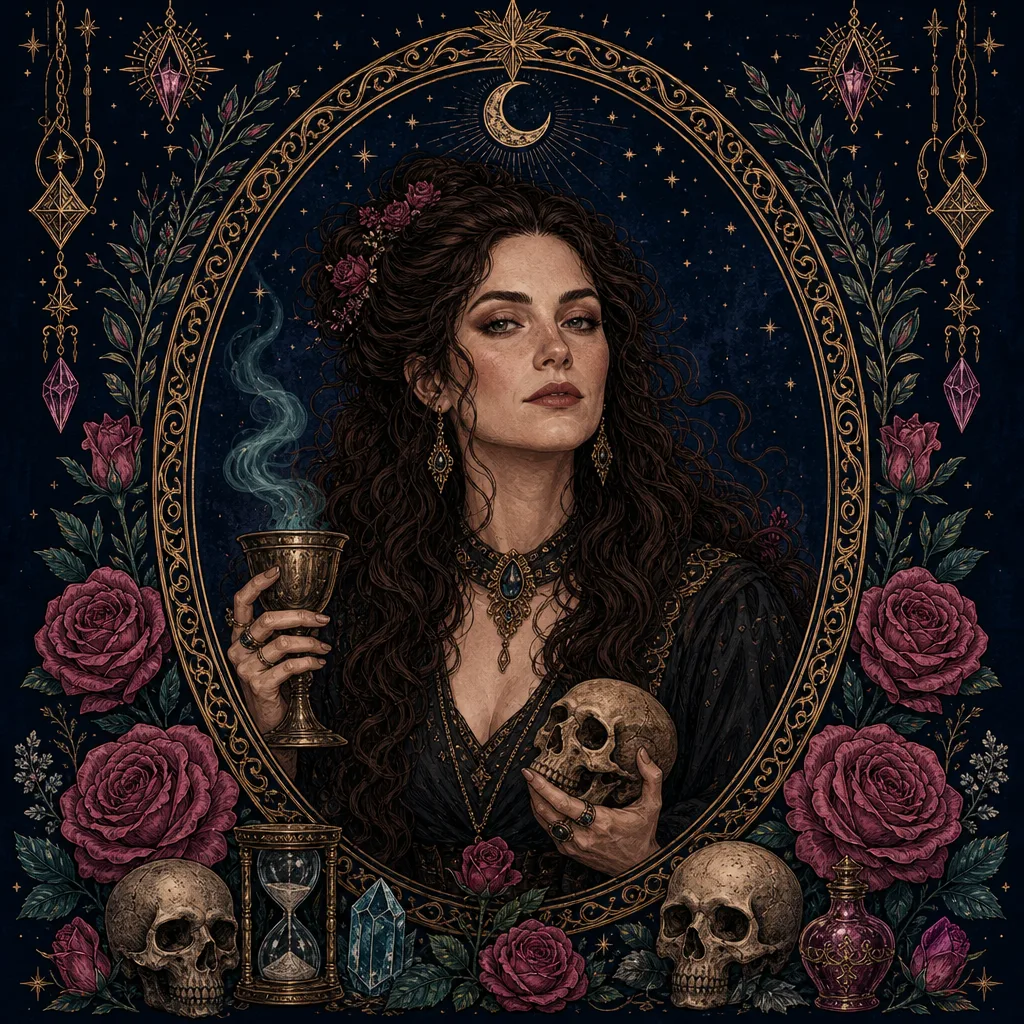
A houngan (male) or mambo (female) is an initiated priest or priestess of Haitian Vodou, the living Afro-Caribbean religion of the Haitian people. The houngan and mambo serve their communities as spiritual leaders, healers, diviners, and intermediaries with the lwa -- the spiritual beings of Vodou. This is a closed, initiatory role entered only through the living Vodou lineage.
 Open practice
 Necromancer
also: death-mage, nigromancer
A necromancer is a magickal practitioner who works with the spirits of the dead, using that relationship to access knowledge, influence events, and navigate the space between the living and the dead. The role is ancient and appears across many world cultures, though the specific term has its roots in classical Greek and Latin tradition.
 Open practice
 Psychopomp
also: soul guide, death guide, soul conductor
A psychopomp is a spiritual practitioner who assists the dying and the recently dead in transitioning from life to whatever lies beyond, guiding souls across the threshold between the living and the dead. The role is ancient, appearing across world cultures in both human practitioners and deity-forms, and is practised by contemporary spirit workers, shamanic practitioners, and hospice-adjacent spiritual caregivers.
 Open practice
 Seidr Worker
also: seidkona, seidmadr, vitki
A seidr worker is a practitioner of seidr, the Old Norse magical and prophetic art associated with the Vanir deities, particularly Freyja, and with Odin, who learned seidr from Freyja. Seidr encompasses trance-based spirit work, prophetic seeing, the working of fate, and in modern reconstructed practice is practiced primarily within Heathen and Norse polytheist communities.
 Open practice
 Spirit Worker
also: spirit practitioner, spiritist
A spirit worker is a magickal practitioner whose primary orientation is toward relationship and collaboration with non-physical beings -- spirits of nature, the dead, deities, and other entities -- rather than toward energy work, herbalism, or scholarship as such. Spirit work is a mode of practice present across many traditions worldwide, described here as a distinct contemporary role.
Healers & Wise Folk
Practitioners whose craft serves the body and the community: folk healers, wise women and wise men.
 Open practice
 Bone Setter
also: Bonesetter, Joint Setter, Folk Osteopath
A bone setter is a folk practitioner who manipulates bones and joints to treat dislocations, fractures, sprains, and musculoskeletal pain, typically combining physical manipulation with spoken charms, prayers, and ritual elements understood to make the physical treatment effective. Bone setting represents one of the oldest documented forms of practical folk medicine in the world.
 Open practice
 Crystal Healer
also: Crystal Worker, Lapidary Healer, Stone Worker
A crystal healer is a practitioner who works with stones and crystals as tools for healing, energy balancing, protection, and spiritual development, understanding each stone as carrying specific vibrational qualities that can interact with the human energy field to support wellbeing and magical intention.
 Open practice
 Energy Healer
also: Energetic Healer, Biofield Practitioner
An energy healer is a practitioner who works with the subtle energy fields understood in many healing traditions to surround and interpenetrate the physical body, using touch, intention, breath, movement, or focused awareness to clear blockages, restore flow, and support the wellbeing of body, mind, and spirit. Energy healing as a contemporary term encompasses practices from many different cultural origins.
 Open practice
 Folk Healer
also: Village Healer, Healer
A folk healer is a practitioner who addresses illness, injury, and misfortune using the traditional knowledge of their community, combining herbal medicines, ritual words and actions, spiritual intercession, and practical care in ways that may not observe the modern distinction between medicine and magick. Folk healers have been found in every human culture throughout recorded history.
 Open practice
 Magickal Herbalist
also: Herb Witch, Plant Magician, Green Witch
A magickal herbalist is a practitioner who works with plants not only for their physical medicinal properties but also for their spiritual qualities, correspondences, and inherent power. Plants are understood as living beings with their own wisdom and magical character, and the magickal herbalist cultivates direct relationship with them as allies, medicines, and ritual materials.
 Open practice
 Wise Man
also: Cunning Man, Pellar, White Witch
A wise man is a male or male-presenting community practitioner who holds traditional knowledge of healing, divination, the detection and removal of witchcraft, and the protection of persons and property. The wise man occupied a recognized social role in European communities as a practical magical specialist whose work complemented both official medicine and religious ministry.
 Open practice
 Wise Woman
also: Cunning Woman, Wisewoman, Good Witch
A wise woman is a community practitioner, typically but not exclusively a woman, who holds and transmits traditional knowledge of healing, herbs, midwifery, divination, and the management of spiritual harm. The wise woman serves as a resource for the whole community, addressing needs that fall between ordinary medicine, religious ministry, and the practical magic of protective and remedial charms.
Scholars & Mystics
Those who walk the inward and the studied paths: the occultist, the alchemist, the mystic, the adept.
 Open practice
 Adept
also: initiate, master
An adept is a practitioner who has achieved a recognised degree of mastery in one or more esoteric disciplines, through sustained practice, initiation, and inner development. The term implies not merely intellectual knowledge but a lived transformation of consciousness that is the fruit of genuine inner work.
 Open practice
 Alchemist
also: spagyrist, philosopher-chemist
An alchemist is a practitioner who works with the transformation of matter and consciousness in pursuit of perfection, most famously seeking the Philosopher's Stone that would transmute base metals into gold and provide a universal medicine. The deeper tradition understands these material operations as simultaneously spiritual: the alchemist's true work is the refinement of their own soul.
 Open practice
 Esotericist
also: esoterician, inner-path student
An esotericist is a practitioner and student of esoteric knowledge, the inner, symbolic, or hidden dimensions of spiritual and philosophical traditions. The esotericist studies what the outer forms of religion, myth, and nature point toward inwardly, seeking the deeper meaning beneath the surface symbol.
 Open practice
 Hermetic Philosopher
also: Hermeticist, philosopher of Hermes
A Hermetic philosopher is a practitioner and student of Hermeticism, the philosophical and spiritual tradition attributed to Hermes Trismegistus (Thrice-Great Hermes) and transmitted through a body of texts that present a vision of the cosmos as a living, ensouled whole in which the human mind participates in divine consciousness. The tradition encompasses cosmology, philosophy, magic, alchemy, and mystical practice.
 Open practice
 Kabbalist
also: Qabalist, Cabalist
A Kabbalist is a practitioner and student of Kabbalah, the Jewish mystical tradition that describes the inner structure of divinity, the nature of the soul, and the relationship between God and creation through a system of ten divine attributes called Sefirot, connected on the Tree of Life. The tradition has both Jewish and broader Western esoteric expressions.
 Open practice
 Mystic
also: contemplative, visionary
A mystic is a practitioner whose spiritual life centres on direct, unmediated experience of the divine, ultimate reality, or the ground of being. Mysticism transcends doctrinal boundaries and appears in virtually every religious and spiritual tradition, always characterised by the conviction that the sacred can be known through experience rather than only believed through faith.
 Open practice
 Occultist
also: esotericist, initiate
An occultist is a practitioner who studies and works with the hidden or inner dimensions of reality, drawing on traditions such as ceremonial magick, Hermeticism, Kabbalah, astrology, alchemy, and related disciplines. The word "occult" means hidden, and the occultist is one who pursues knowledge and practice that works with what is not immediately apparent to ordinary perception.
 Open practice
 Theosophist
also: Theosophical student, Theosopher
A Theosophist is a practitioner and student of Theosophy, the spiritual philosophy founded by Helena Petrovna Blavatsky and Henry Steel Olcott in 1875, which holds that all religions share an inner Ancient Wisdom and that human consciousness is on an evolutionary journey through successive incarnations toward divine perfection.